Tips for Creating a Relaxing and Productive Home Office Environment
Creating a home office that is both relaxing and productive can significantly improve your work experience and overall well-being. Whether you work remotely full-time or use your home office occasionally, the environment you create plays a crucial role in how effective and comfortable your workdays are. Here, we share practical tips to help you design a workspace that promotes focus, reduces stress, and supports productivity.
Choose the Right Location
Selecting the ideal space for your home office is the first step. Ideally, the area should be quiet and separate from household distractions. If possible, choose a room with a door to shut out noise and signal to others that you’re working.
Consider Natural Light
Natural light boosts mood and energy levels. Position your desk near a window to benefit from daylight, but avoid direct glare on your screen. If natural light is limited, invest in good-quality artificial lighting that mimics daylight to keep the space bright and inviting.
Invest in Ergonomic Furniture
Comfort is key to staying focused and preventing physical strain during long work hours.
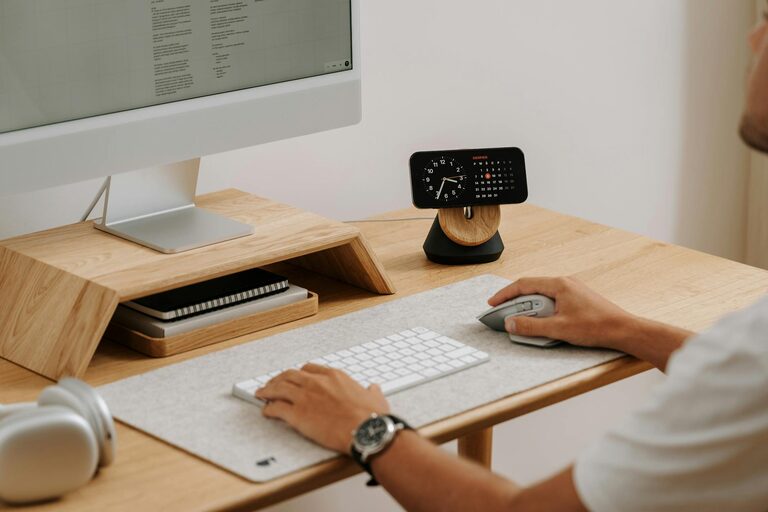
– Desk: Choose a desk that suits your height and allows enough surface area for your computer, paperwork, and accessories.
– Chair: An adjustable, supportive chair can reduce back and neck pain.
– Accessories: Consider a separate keyboard and mouse, and a laptop stand to maintain good posture.
Ergonomics reduce discomfort and help maintain productivity throughout the day.
Organise with Purpose
A cluttered workspace can lead to stress and distraction. Keep your home office tidy and organised by:
– Using storage solutions like shelves, drawers, or filing cabinets.
– Keeping only essential items on your desk.
– Implementing a system for paperwork to prevent piles.
– Regularly decluttering to maintain order.
An organised space saves time and keeps your mind clear.
Create a Calming Atmosphere
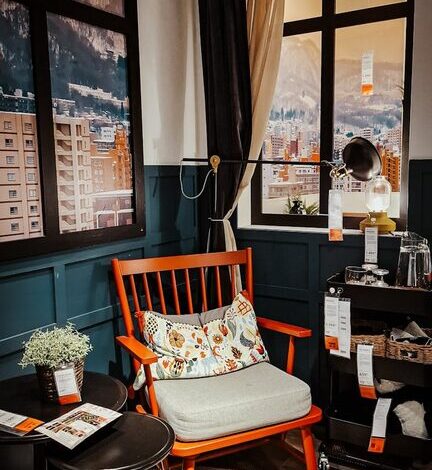
Incorporate elements that make the space feel peaceful and inviting to support relaxation.
– Colours: Soft, neutral tones like pale blues, greens, or warm greys encourage calm.
– Plants: Adding greenery not only improves air quality but also promotes a sense of well-being.
– Personal touches: Photos, artwork, or meaningful objects can make the space feel welcoming without causing clutter.
Avoid overstimulating decorations that might distract you.
Manage Noise and Distractions
Noise can break concentration, so it’s important to control it as much as possible.
– Use noise-cancelling headphones or play ambient sounds like white noise or gentle music.
– Inform other household members of your working hours to minimise interruptions.
– Keep your phone on silent or use apps that block distracting notifications during work times.
Creating boundaries helps maintain focus and work-life balance.
Optimise Technology and Connectivity
Reliable technology is essential for a productive home office.
– Ensure your internet connection is strong and stable.
– Keep your devices updated and backed up to prevent technical issues.
– Use tools and apps to manage tasks, communications, and schedules efficiently.
Hands-on support or tutorials can be helpful if you’re unfamiliar with tech tools.
Take Regular Breaks and Move
A relaxing and productive environment also includes mindful work habits.
– Follow the 20-20-20 rule: every 20 minutes, look at something 20 feet away for 20 seconds to reduce eye strain.
– Take short breaks every hour to stretch and move around.
– Consider using a standing desk or alternating between sitting and standing positions.
Movement helps keep energy levels up and reduces physical fatigue.
Set Clear Boundaries and Routines
Defining working hours and routines supports productivity and relaxation.
– Start your day with a consistent routine to prepare mentally.
– Set specific times for breaks, lunch, and finishing work.
– At the end of the day, create a shutting-down ritual to transition from work mode to personal time.
Clear boundaries help prevent burnout and foster a healthy work-life balance.
Personalise Your Lighting and Temperature
Comfort extends to controlling your environment.
– Use adjustable lighting to suit different tasks and times of day.
– Regulate room temperature to a comfortable level, as temperatures too hot or cold can distract or affect concentration.
– Ventilate the room regularly for fresh air.
Small changes in environmental comfort can make a big difference.
—
Creating a home office that supports both relaxation and productivity doesn’t require a major overhaul. By considering your space, comfort, organisation, and routines, you can build a work environment that helps you do your best work while feeling calm and balanced. Take one step at a time and tailor your space to fit your personal needs – the positive effects are well worth the effort.